History of Peñaflor.
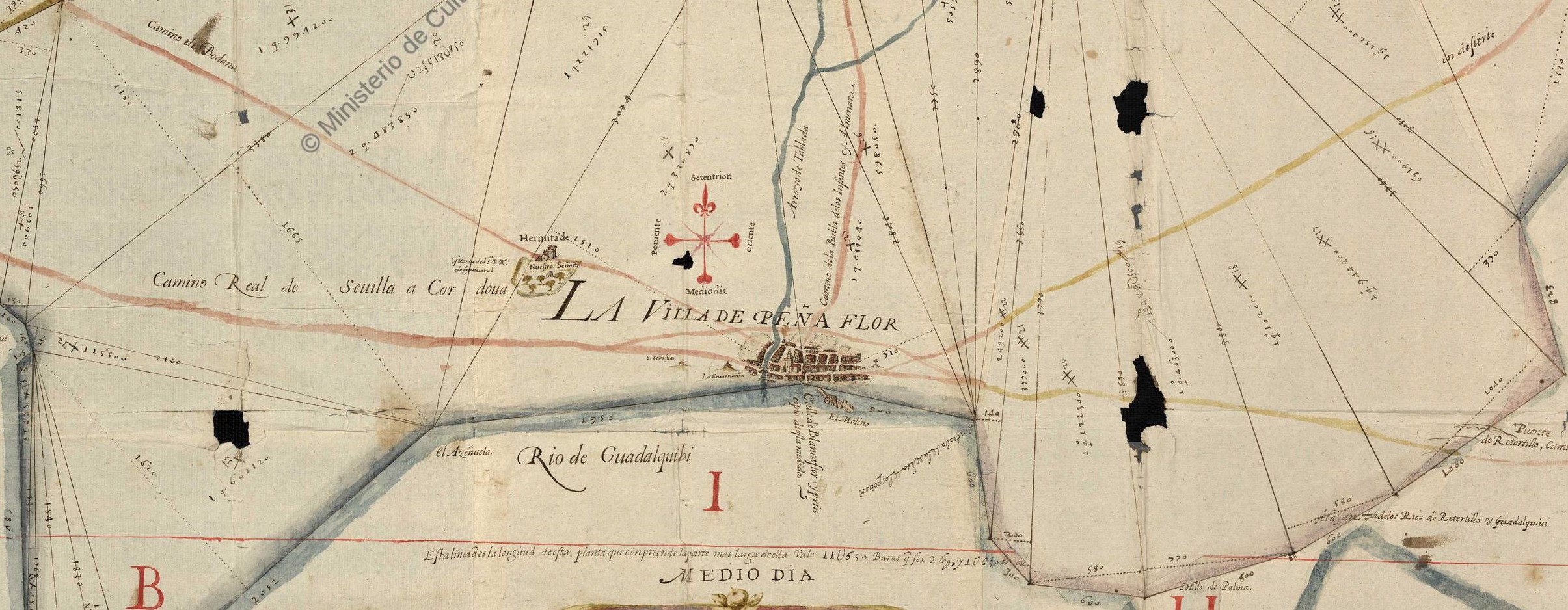
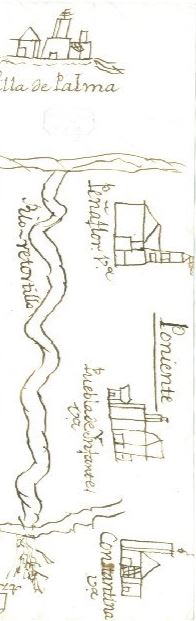
Peñaflor is placed on the right bank of the Guadalquivir river, in the easternmost area of the province of Sevillle. It borders with the towns of Lora del Rio (Seville) and Palma del Rio (Cordova). It’s a part of the Comarca de la Vega Alta (Upper valley) del Guadalquivir and it’s 75 km away from Seville and 56 km from Cordova. It’s well connected to both thanks to the train and roads.
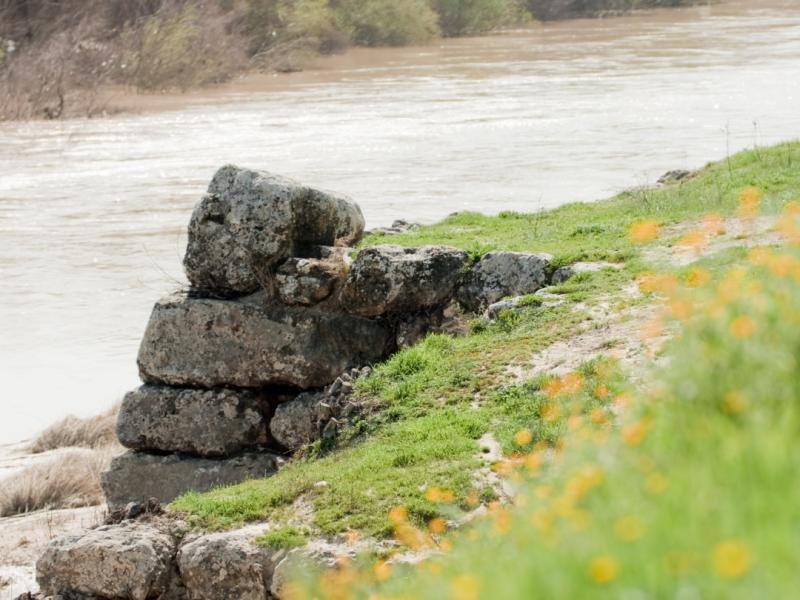
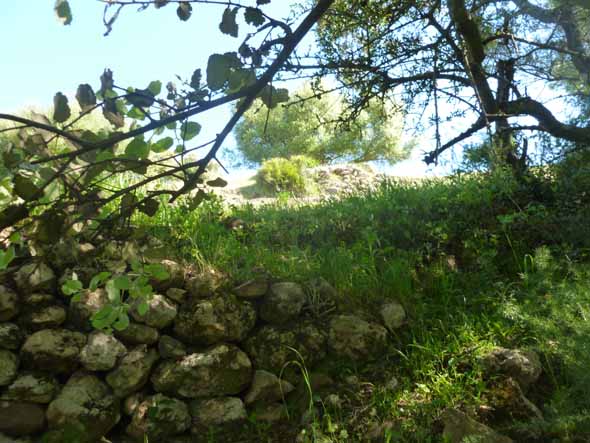
If we go back in time, we know thanks to the archaeological sites of La Viña and Pared Blanca that the territory that Peñaflor occupies today was already inhabited in the Late Bronze period (9th and 8th centuries BCE). After that, this territory would be known as Celti since ibero-turdetan period 6th to 2nd century BCE) keeping the name in roman era.
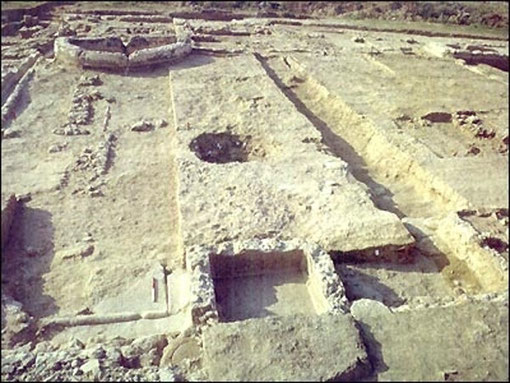
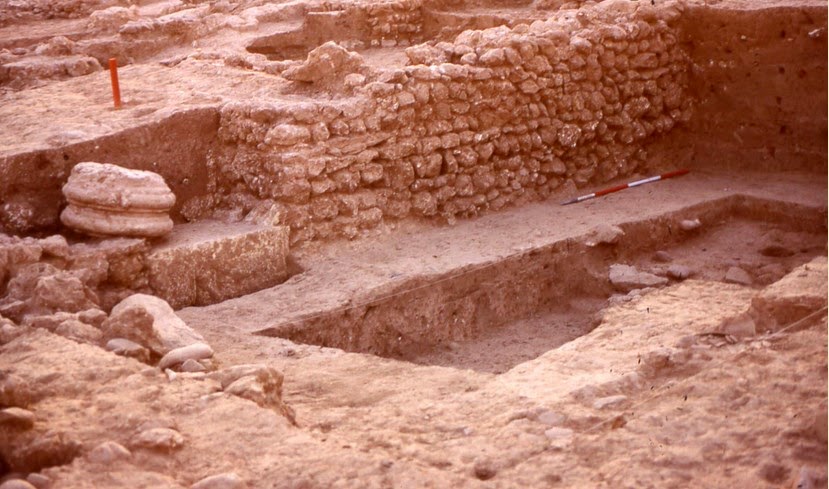
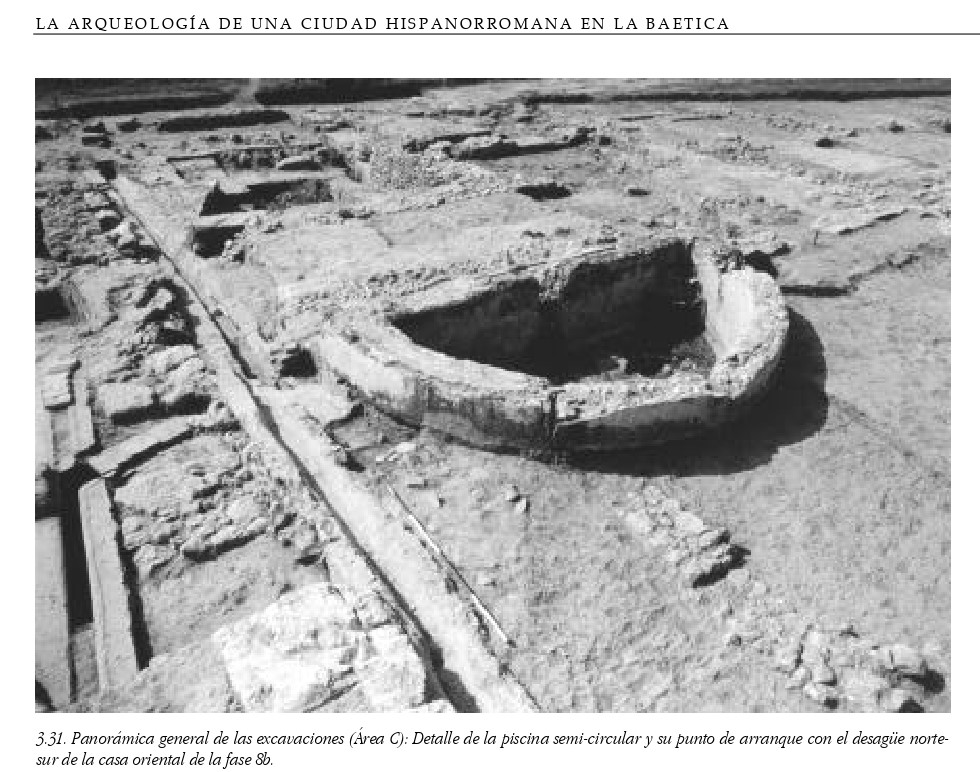
It's then when Celti reached certain importance thanks to oil trade, pottery industry and mining activity, achieving the mintage of its own coin in the 1st century BCE and the rank of municipium during Vespasian's reign. Vespasiano.
After the fall of the Roman Empire and the arrival of visigoths, the settlement is abandoned in favor of villae scattered across the countryside. The urban core would revive again with the arrival of muslims, chiefly in the almohad phase, having a wall and a fortress in the village, and other castles such as Almenara and Malapiel in the country.
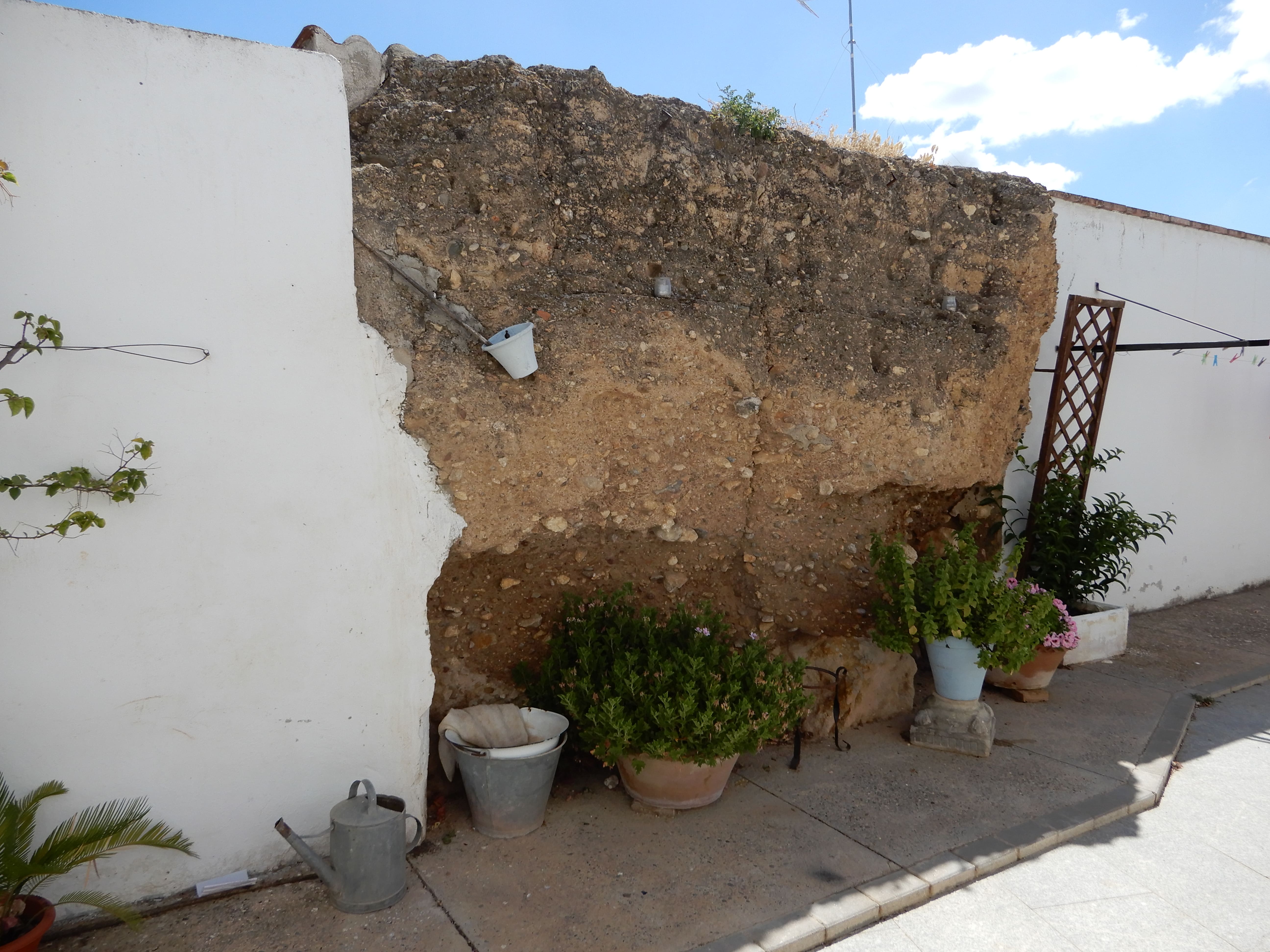
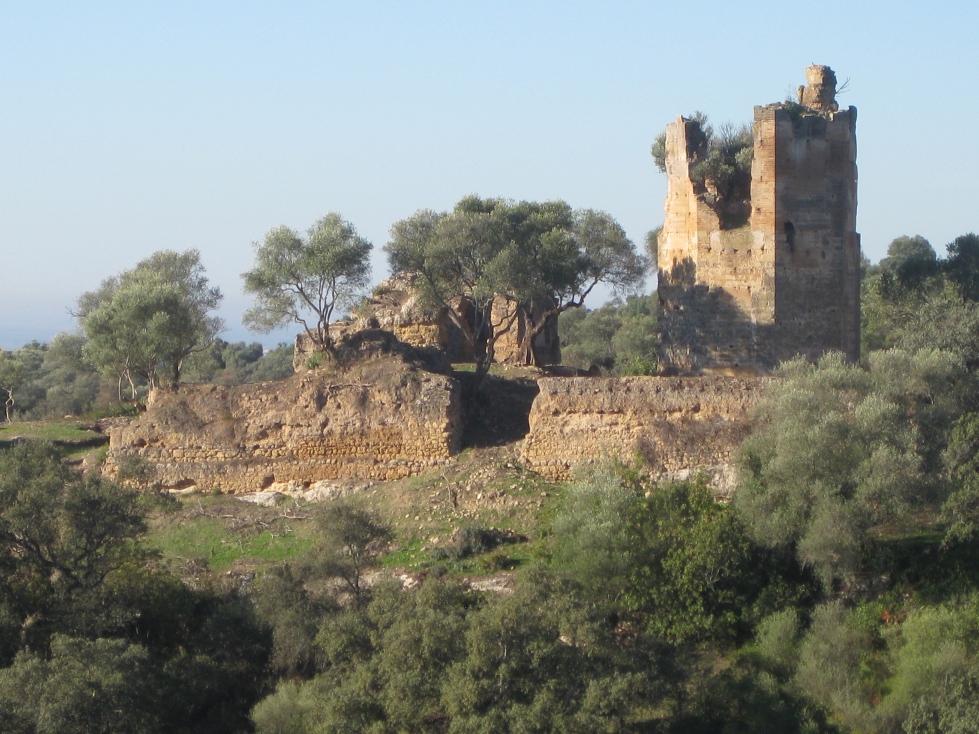
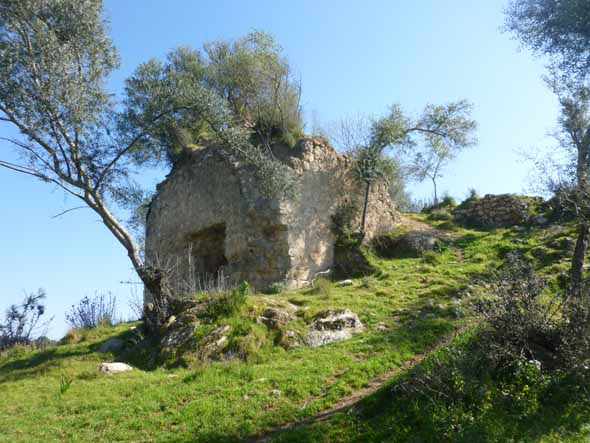
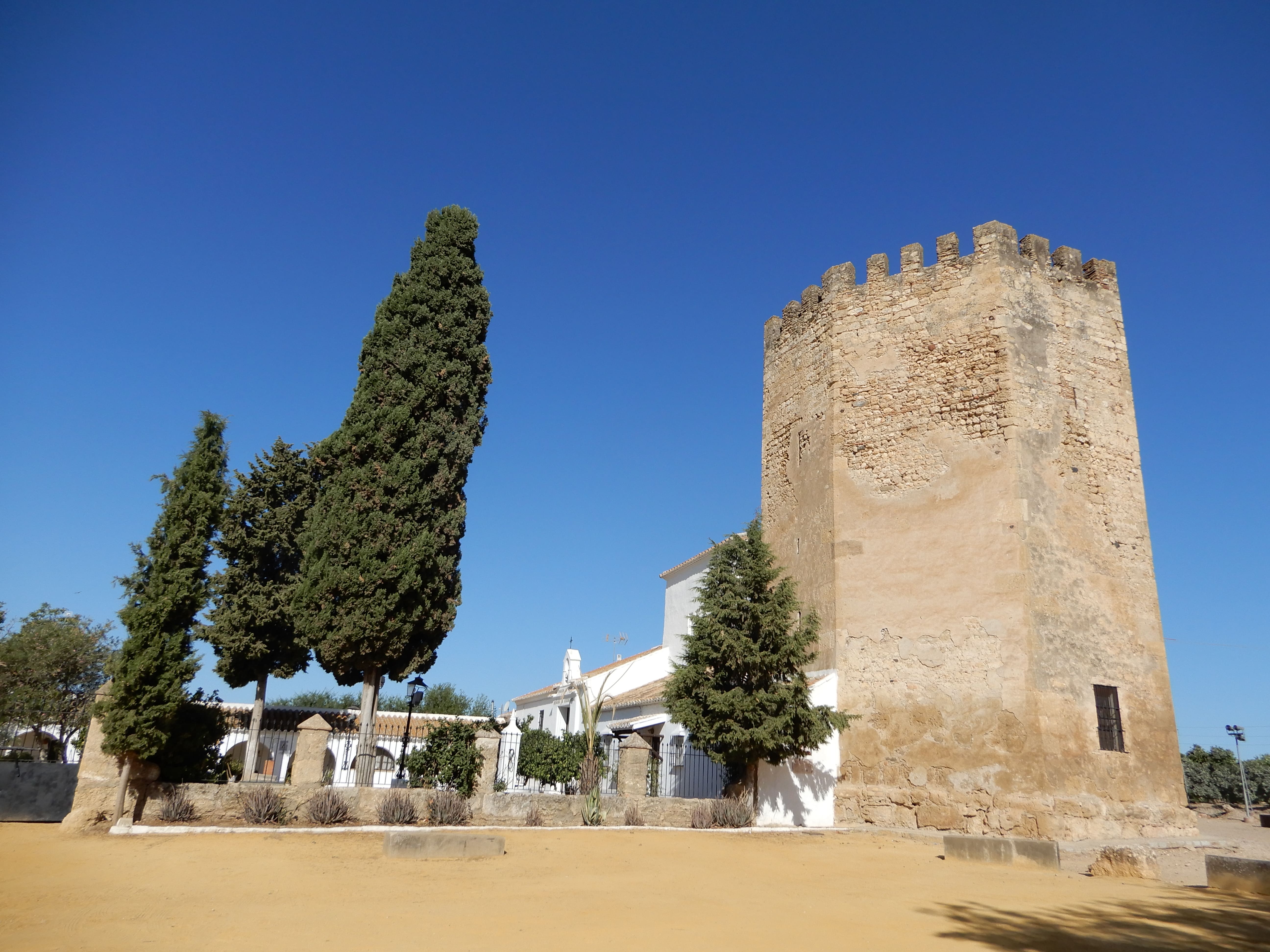
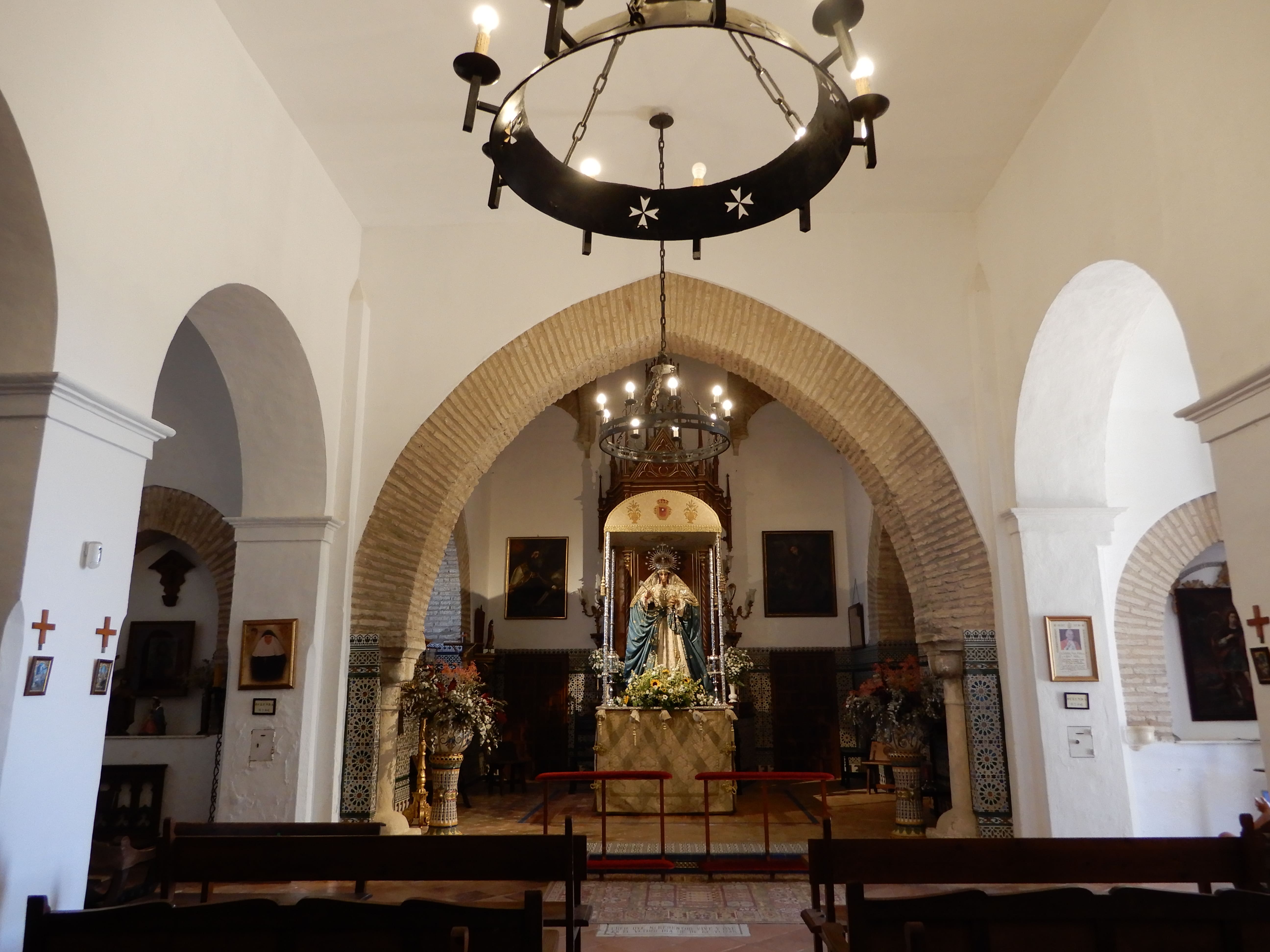
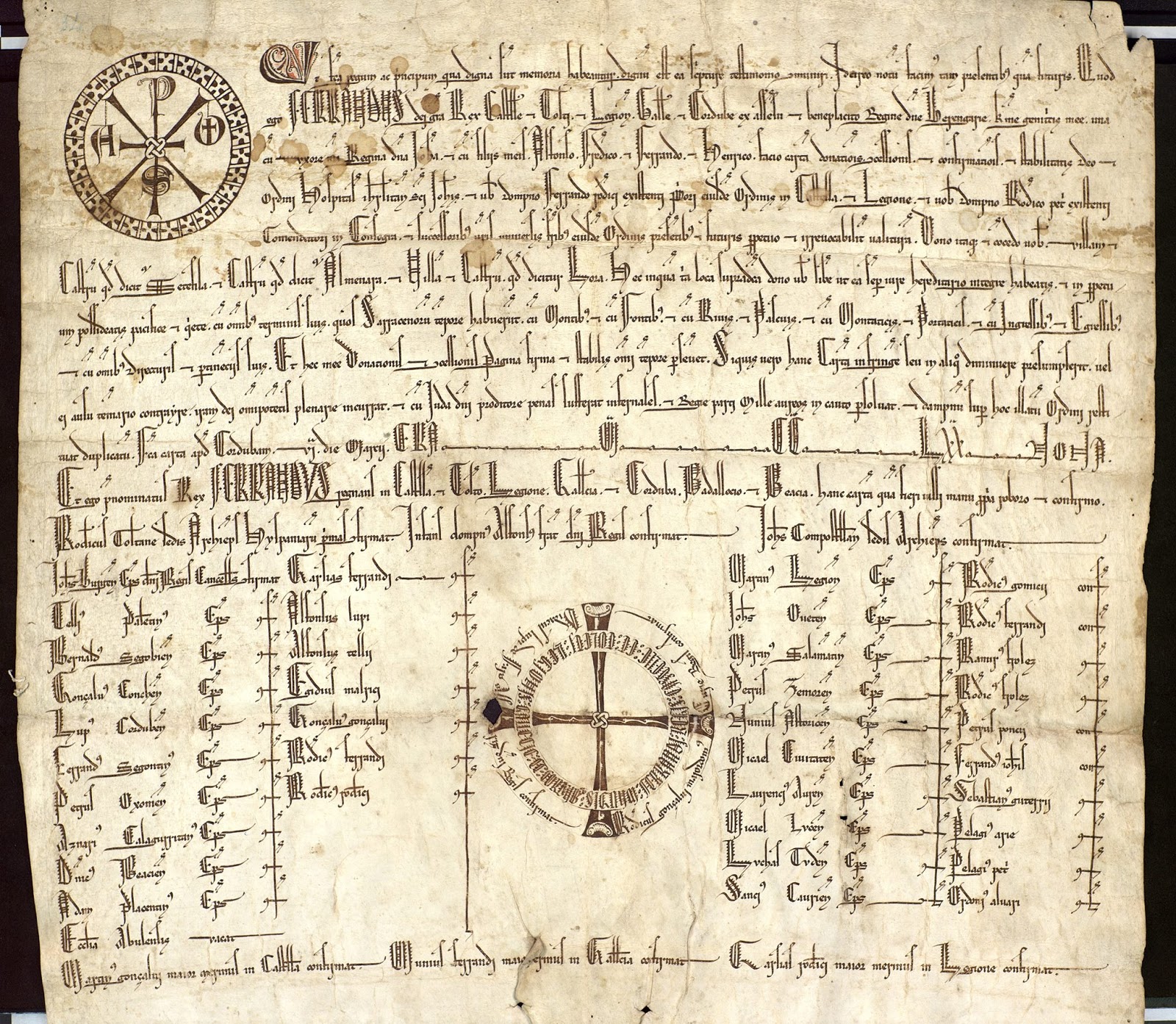
With the conquer of Ferdinand III and the donation of the territory to the Military Order of Malta, the mudejar watchtower of Villadiego was raised closed to the town, there today it’s also the hermitage of the Virgen with the same name.
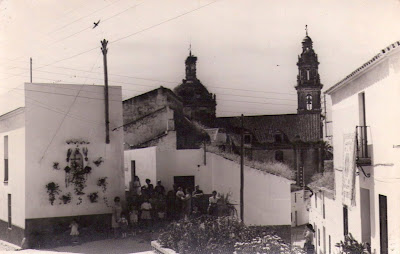
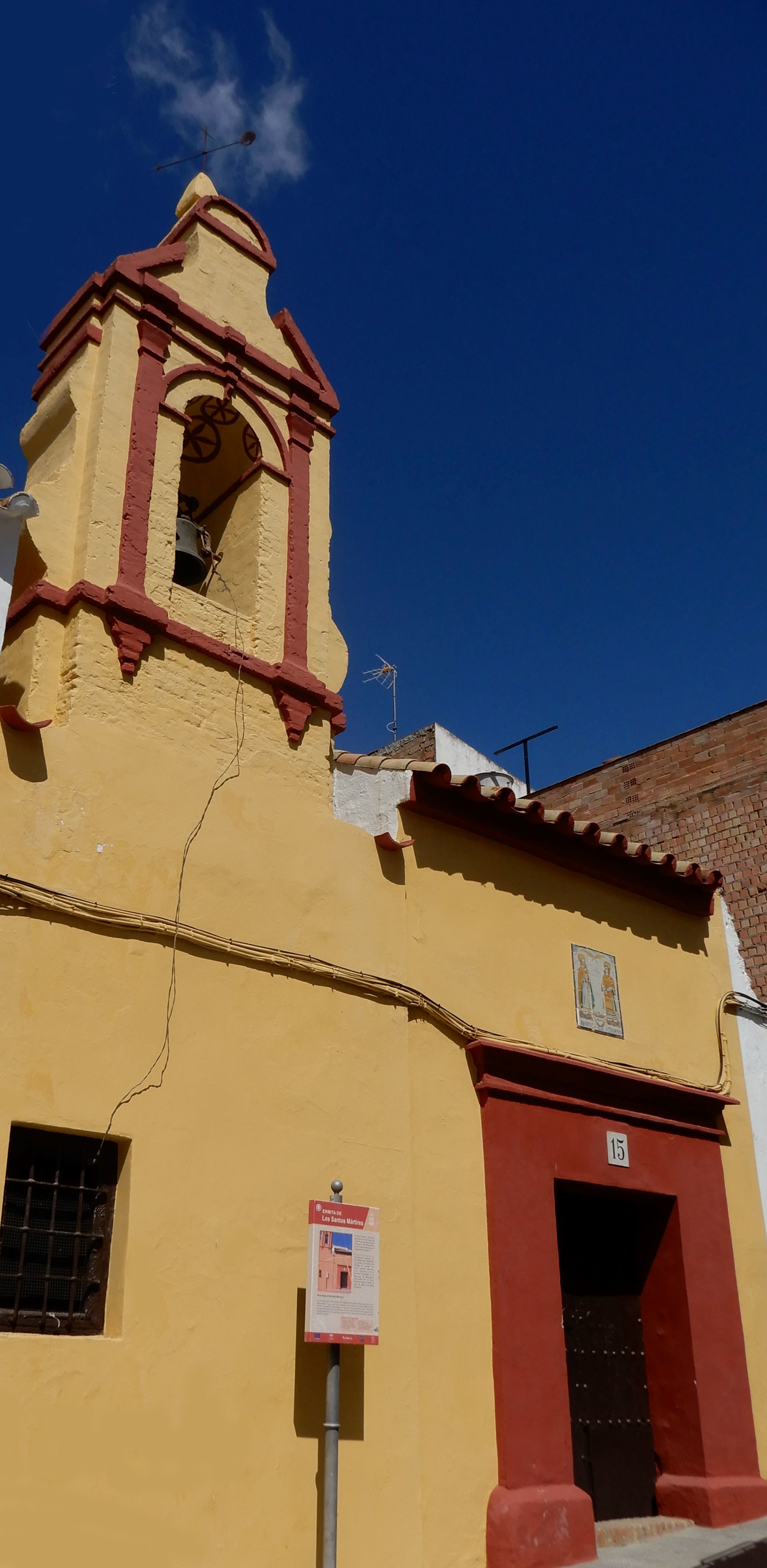
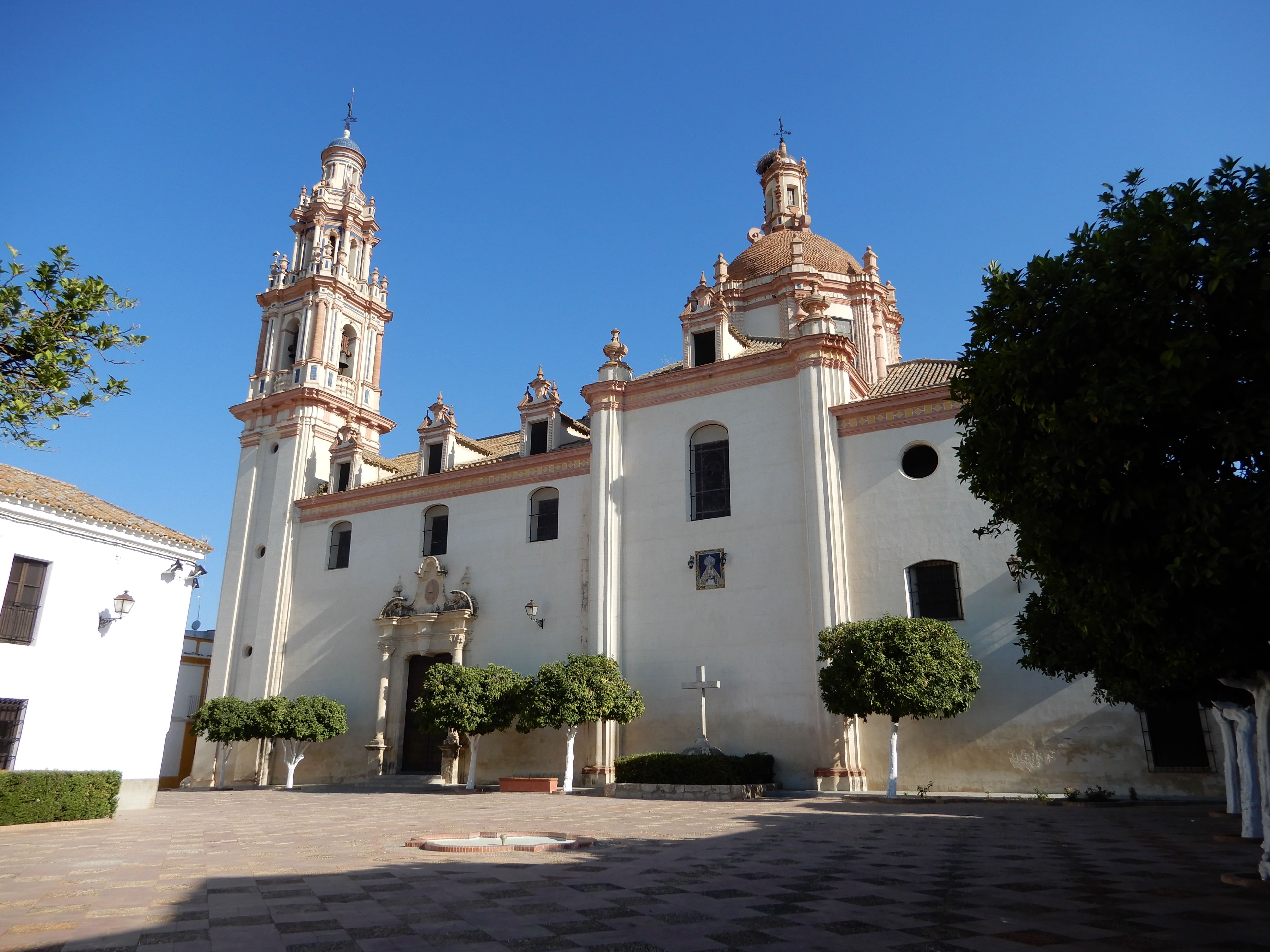
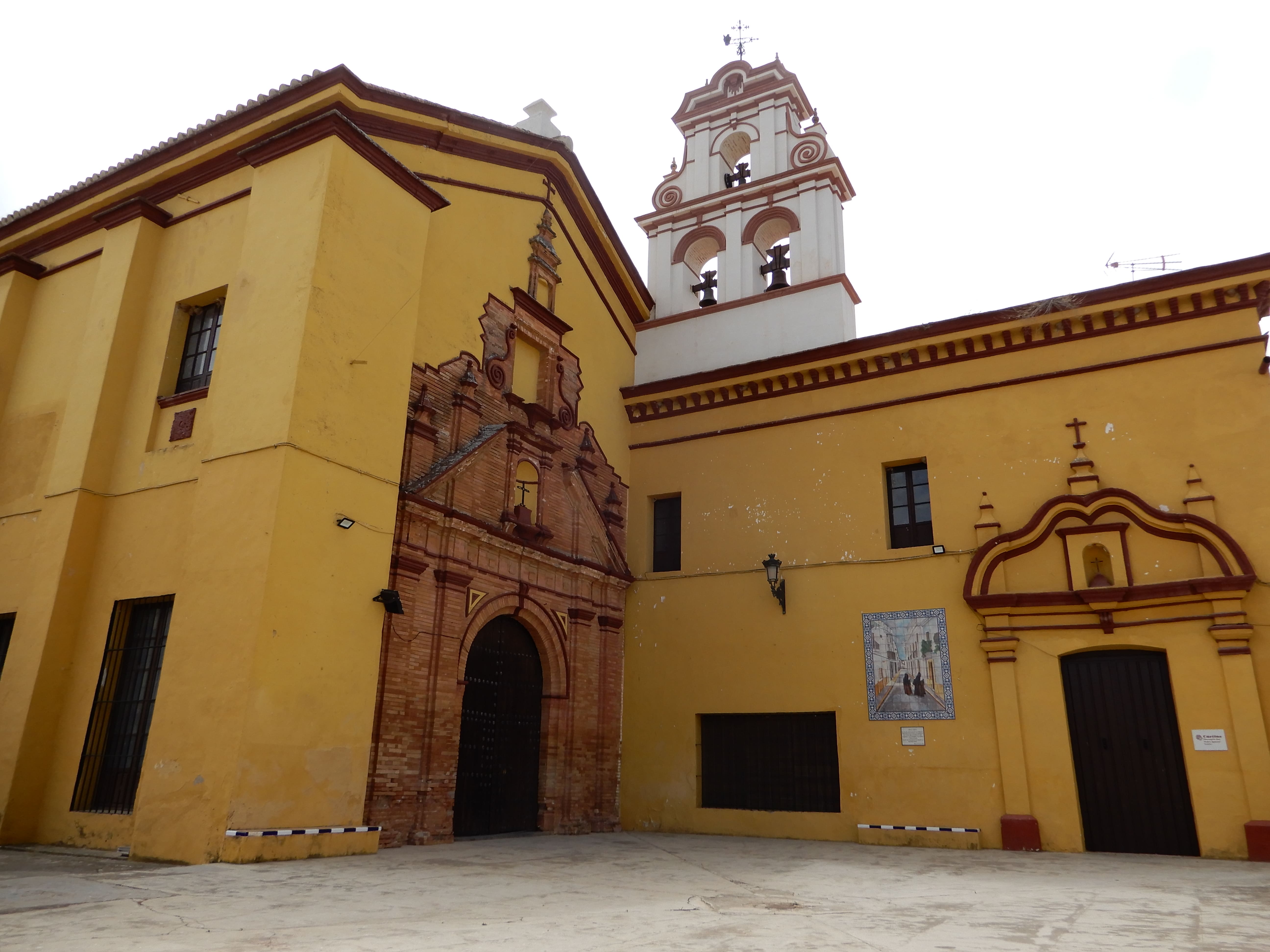
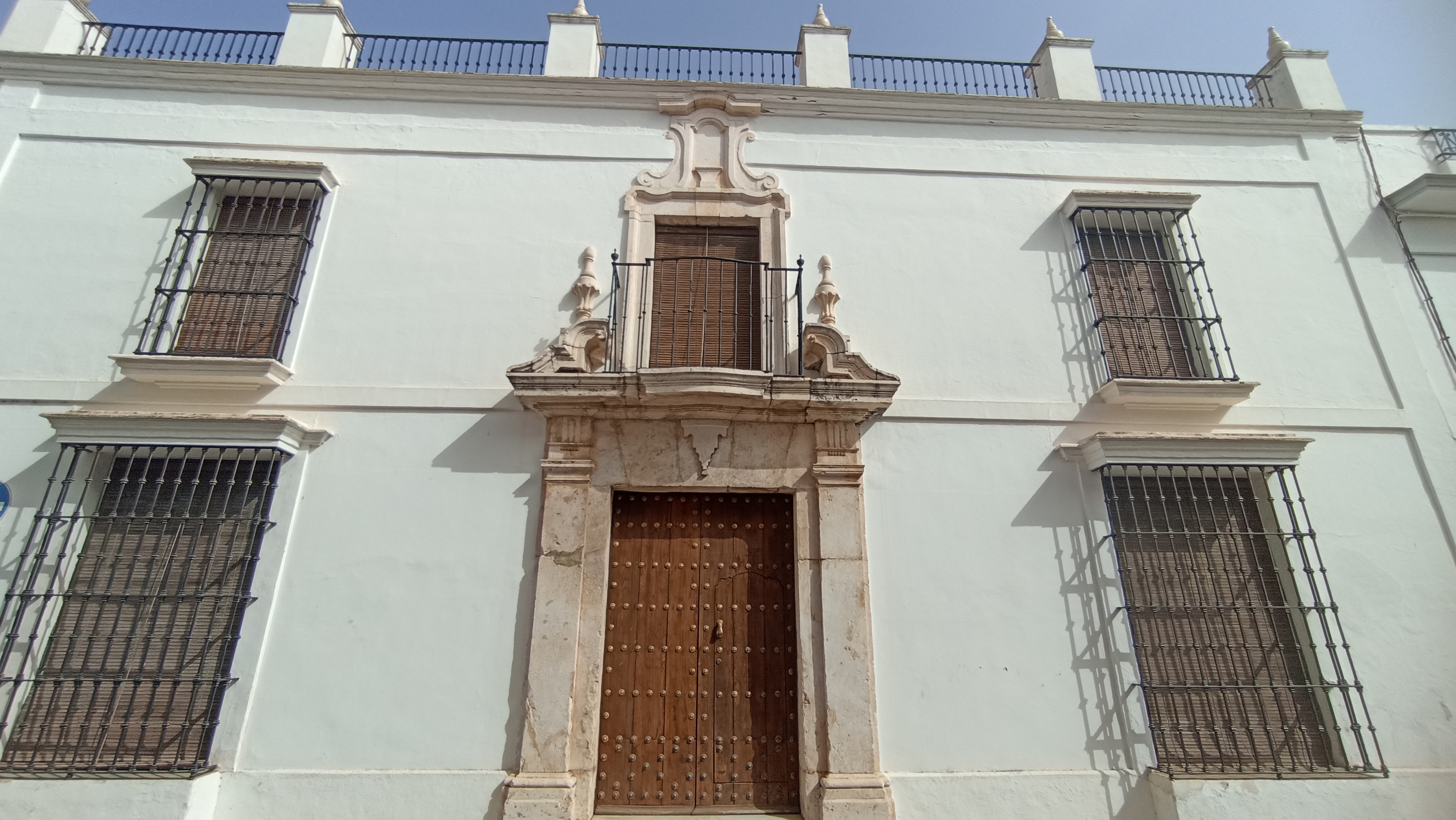
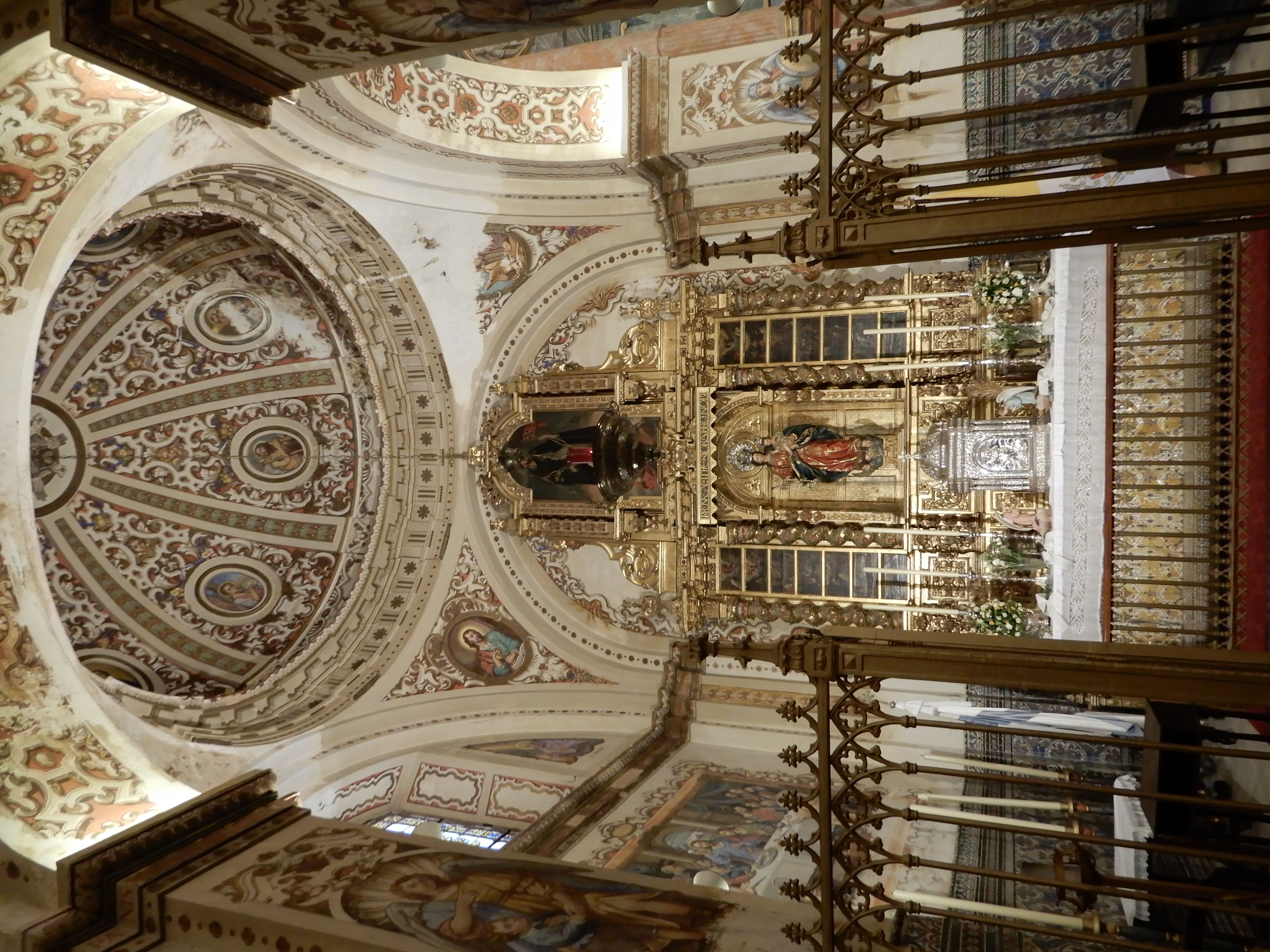
The 18th century was the greatest historical moment for Peñaflor, with a general population growth and the farming revival, local economy was stimulated and it all contributed to the beautification of the town with the construction of its most emblematic buildings: churches were renovated, convents, hermitages and civil architecture were built that today we can enjoy.
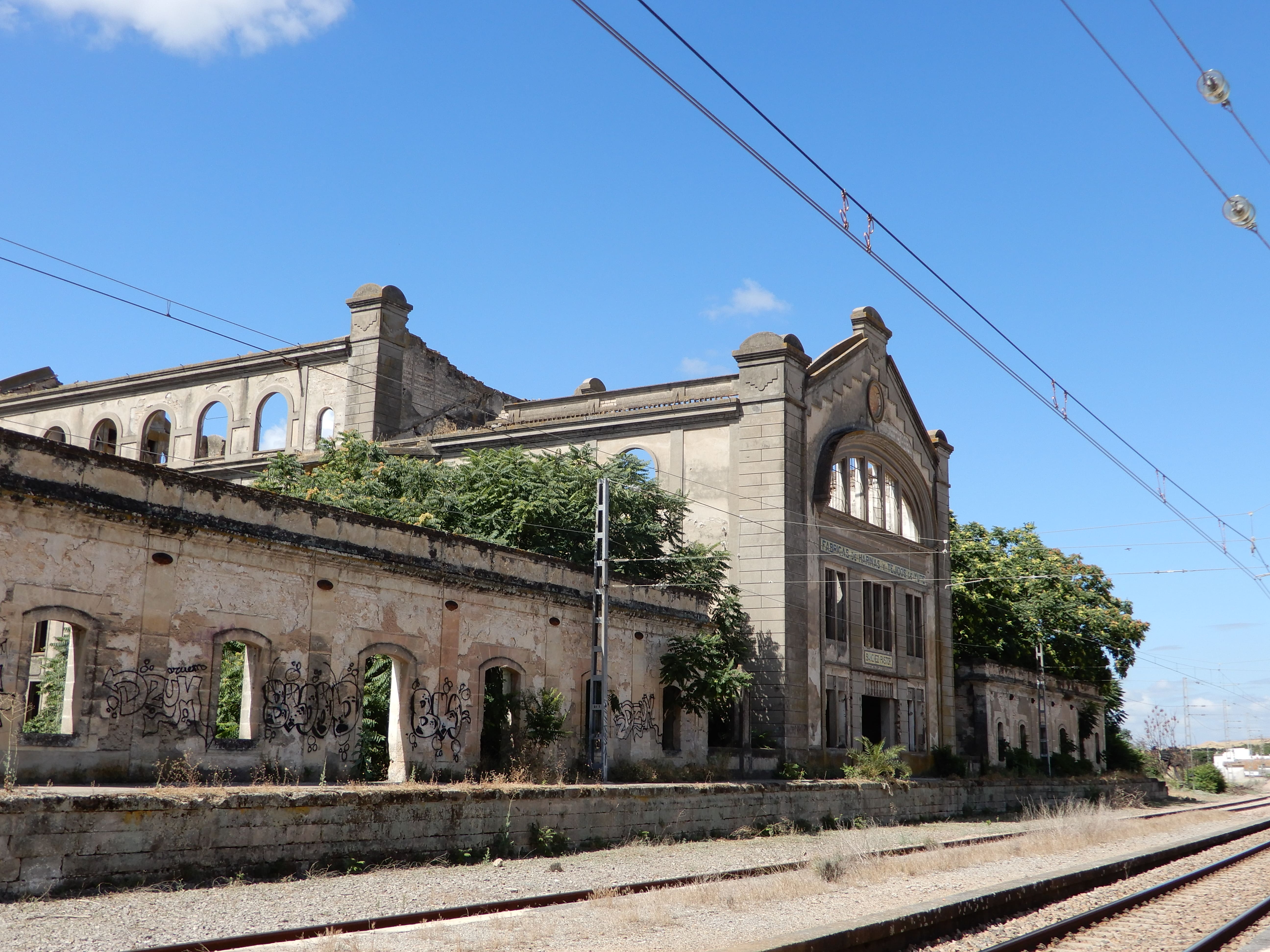
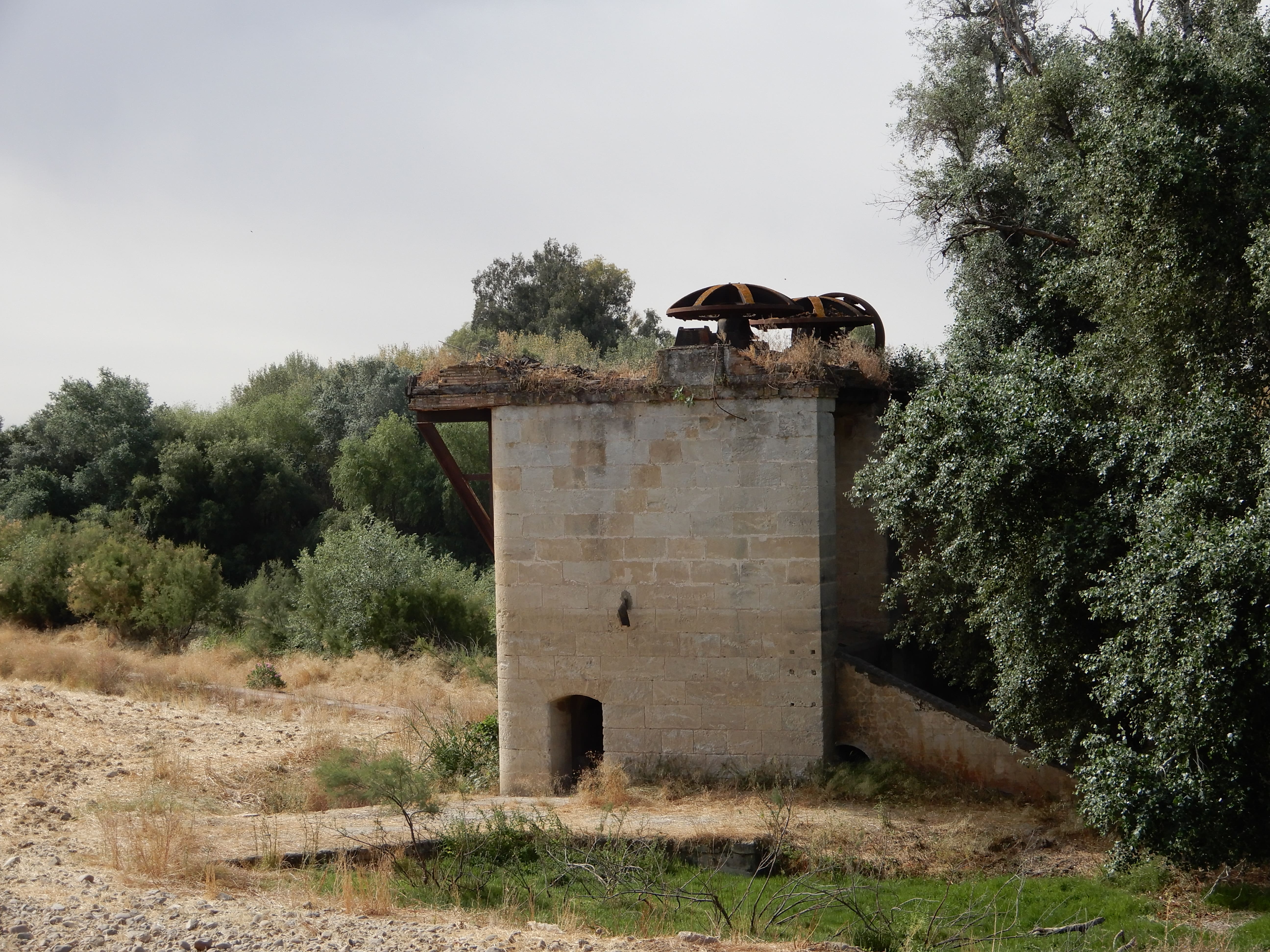
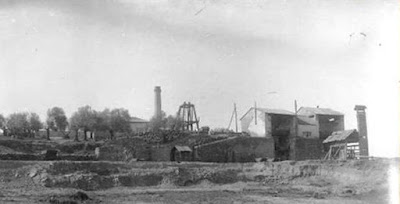
In the 19th century the industrialization began to slowly arrive to Andalusia and Peñaflor would be one of the stops of one of the first railway lines in Spain (Cordova-Seville), which would help its economy and would lead to the decision of setting flour factory, along with the mines, which are today part of the industrial heritage of the municipality.
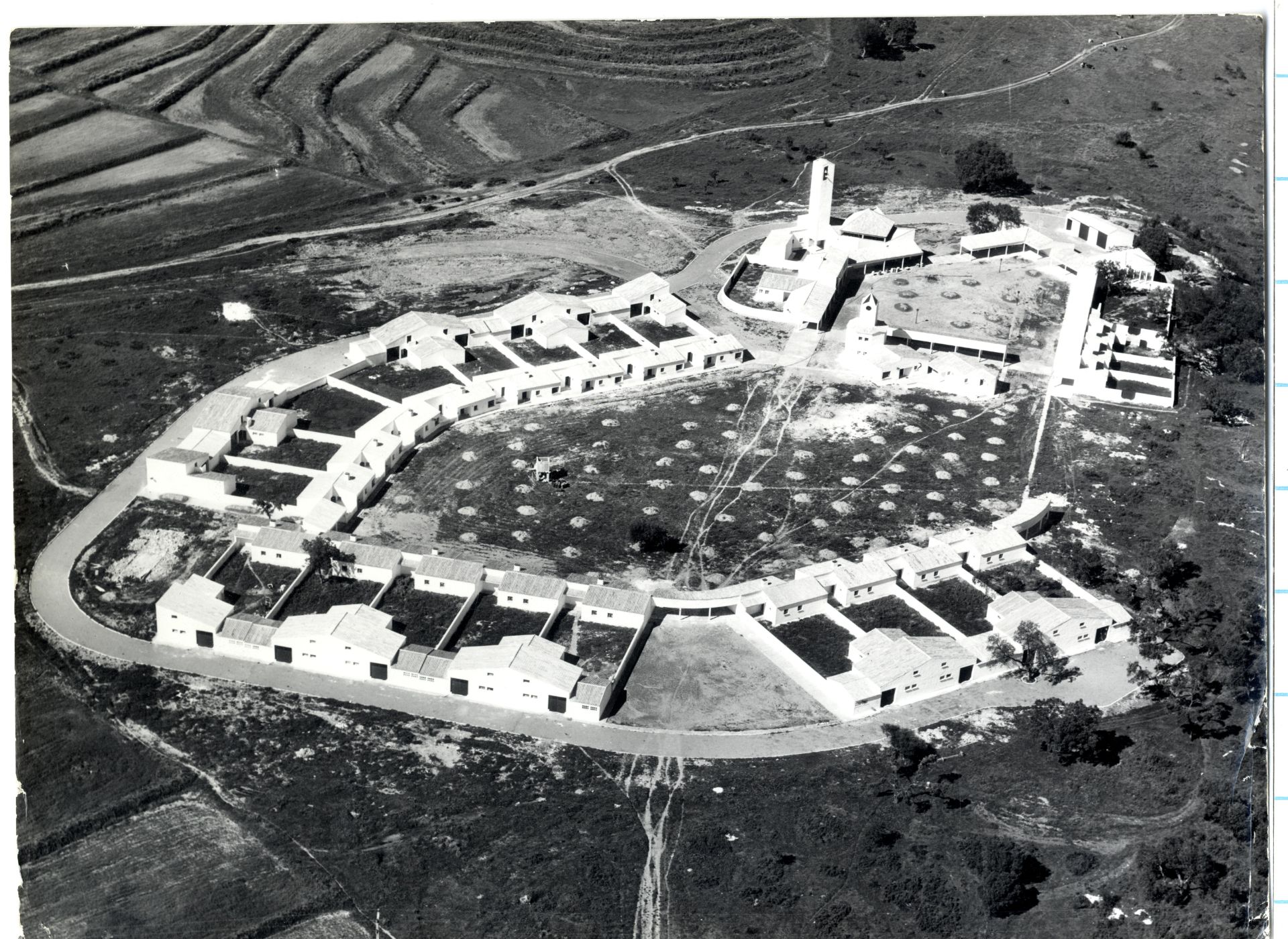
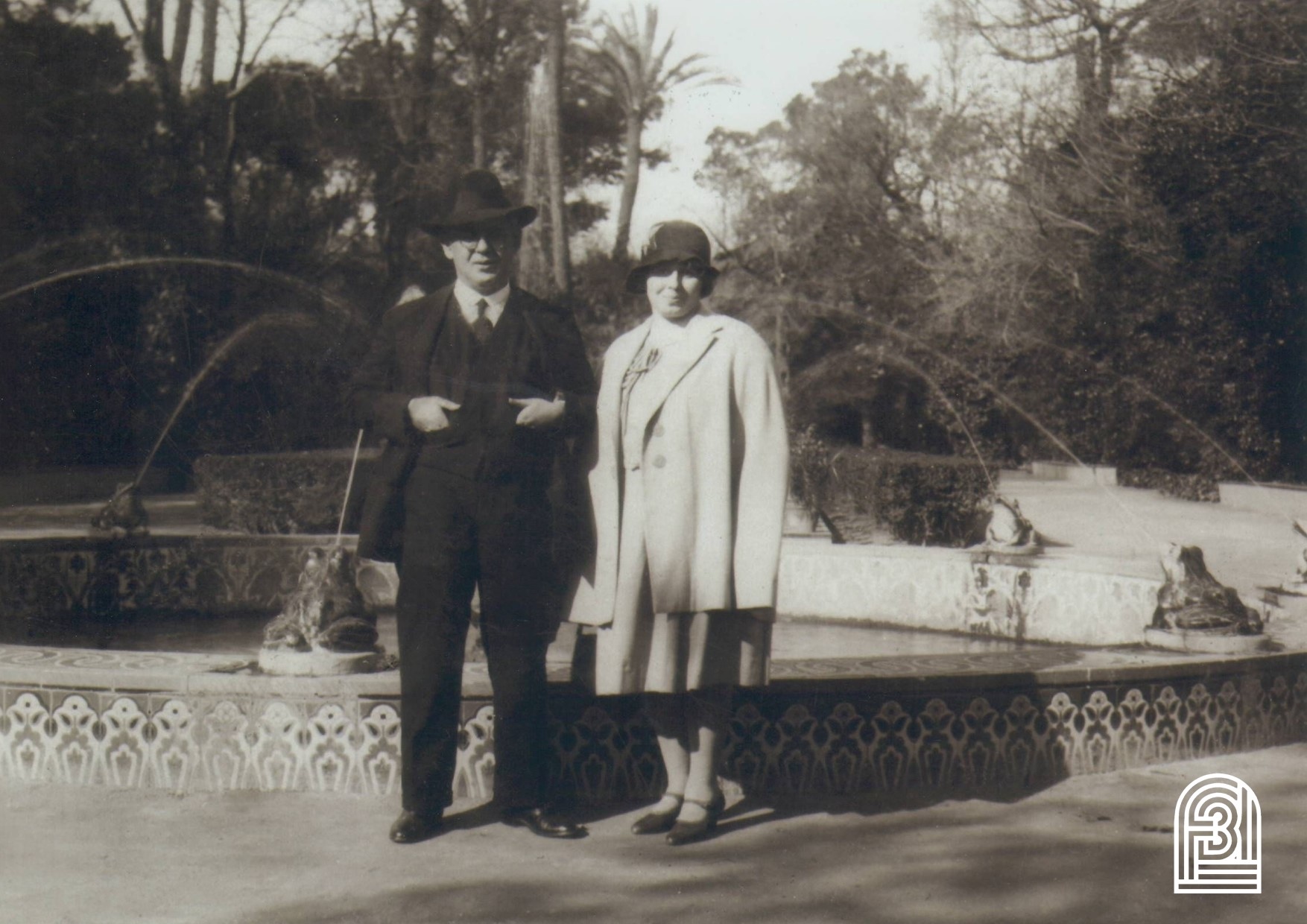
In the first half of the 20th century the Colonization Villages were built and founded in 1963: Vegas de Almenara (designed by Jesús Ayuso Tejerizo) and La Vereda (designed by José Luis Fernández del Amo), because of the creation of the irrigable area of the Benbézar river, bringing new life to local agriculture and economy. These colonization villages were a great oportunity for modern architects and artists for experimentation, thus, are of great interest today for architects and urbanists. This century is also starred by the marriage between Blas Infante (an important advocate for the autonomy of Andalusia) and the local Angustias García Parias.